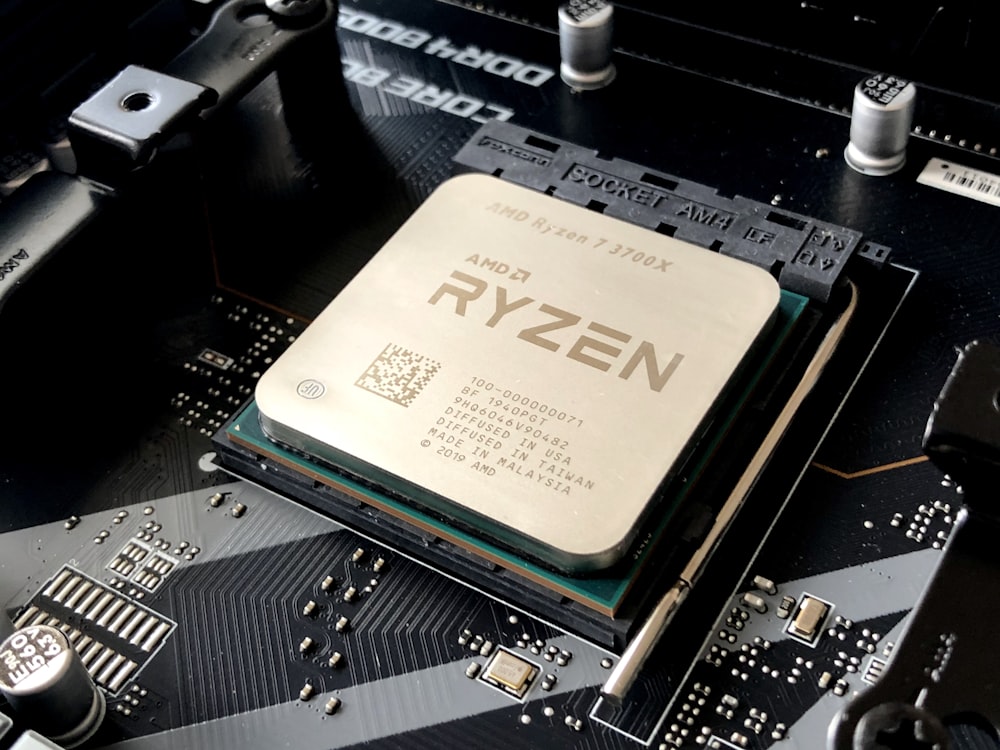
The War of Logic and Cache
The 2026 CPU market has split into two distinct philosophies. AMD has doubled down on its 3D V-Cache technology, creating a gaming monster that ignores memory latency bottlenecks. Intel, however, has abandoned the "brute force frequency" approach for a Tile-based efficiency model.
Gaming Performance Analysis
In our testing suite, the 9950X3D leads by a massive 18% margin in 1080p and 1440p scenarios. The massive L3 cache acts as a buffer that simply swallows the engine overhead of open-world games. Intel’s 285K is no slouch, but it clearly prioritizes workstation stability over raw frame rates.
Thermal and Power Efficiency
Intel has finally won the efficiency war. The Ultra 9 285K draws significantly less power under full load than the 14900K did, operating comfortably within a 250W envelope. AMD’s Zen 6 is also incredibly efficient, but when PBO (Precision Boost Overdrive) kicks in, the heat density on the small chiplet makes it harder to cool than the Intel counterpart.
Recommendation: For pure frame-chasers, the Protocol dictates AMD. For professional hybrid use (AI dev + Video), Intel's NPU gives it the edge.